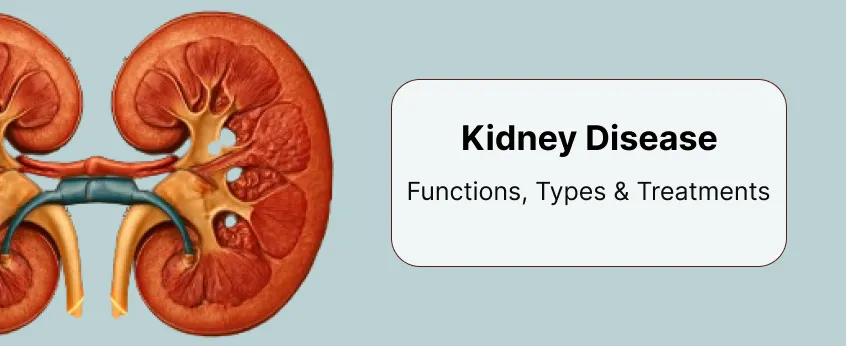
Kidney Functioning and Diseases
The kidneys are vital organs responsible for filtering waste, balancing fluids and electrolytes, regulating blood pressure, supporting bone health, and producing hormones essential for red blood cell formation and vitamin D metabolism.
Key Kidney Functions
- Filter toxins and waste products from the blood
- Maintain fluid and electrolyte balance
- Regulate blood pressure
- Produce hormones like erythropoietin and vitamin D
- Control water balance and urine production
Important Facts
- Kidneys receive nearly 20% of the body’s blood supply
- Each kidney contains about one million nephrons
- Around 180 liters of blood are filtered daily
- Significant kidney damage may occur before symptoms appear
Common Kidney Diseases
- Chronic Kidney Disease (CKD): Gradual, irreversible decline in kidney function
- Acute Kidney Injury (AKI): Sudden and potentially reversible kidney failure
- Diabetic Nephropathy: Kidney damage caused by high blood sugar
- Nephrotic Syndrome: Protein loss in urine with swelling
- Glomerular Disease (Nephritic Syndrome): Damage to kidney filtering units causing blood in urine, swelling, and hypertension
Kidney Disease Treatment
- Lifestyle modifications including diet and exercise
- Medications to control diabetes and blood pressure
- Dialysis for advanced kidney failure
- Kidney transplantation in severe cases
Importance of Early Care
Early diagnosis, regular monitoring, and consultation with a nephrologist are essential to slow disease progression, preserve kidney function, and improve quality of life.
The kidneys are two bean-shaped organs, about 10-12 cm long, situated in the back of the abdominal cavity on each side of the spine. The left kidney typically sits at the vertebral level T12 to L3, with the right positioned slightly lower. Although they make up only around 1% of total body weight, kidneys receive about 20% of the body's blood supply, highlighting their vital role in health.
Primarily, the kidneys cleanse the blood by removing toxins and waste products. They also regulate fluid balance, support bone health, stimulate the production of red blood cells, and maintain electrolyte balance. As they filter blood, the kidneys produce urine, which flows through tubes called ureters to the bladder, where it's stored until excretion.
Each kidney contains approximately a million nephrons, tiny filters that aid in removing waste from the blood. Remarkably, a person can lose up to 90% of kidney function before experiencing noticeable symptoms. Every day, the kidneys filter around 180 liters of blood, reabsorbing most and generating 2-3 liters of urine.
Key Functions of the Kidney
- Excretory: Removing toxic wastes by filtering them into the urine.
- Hemodynamic: Keeping the blood pressure under control.
- Homeostatic: akeeping the house (body) orderly by managing levels of sodium, calcium, acids, and other elements.
- Endocrine: Producing hormones like erythropoietin, which stimulates red blood cell production, and vitamin D.
- Water Balance:Excreting excess water or withholding water when dehydrated.
These are the key functions of the kidney help maintain overall body balance and support essential physiological processes.
Common Kidney Diseases
Kidney diseases involve a range of conditions that impair kidney function. Early diagnosis and treatment are essential to manage these diseases effectively and prevent further complications.
- Chronic Kidney Disease (CKD): This is a gradual, irreversible decline in kidney function often linked to diabetes. Regular monitoring is crucial to manage CKD and slow its progression.
- Acute Kidney Injury (AKI): A sudden loss of kidney function often triggered by dehydration or infection. Early detection allows for quick treatment, making AKI potentially reversible.
- Diabetic Nephropathy: Caused by damage from high blood sugar, this condition affects the kidney's filters. Managing blood sugar is essential to prevent further kidney damage.
- Nephrotic Syndrome: Marked by high levels of protein in the urine and swelling, this syndrome indicates severe kidney dysfunction that requires targeted treatment.
- Glomerular Disease (Nephritic Syndrome):This disease affects the glomeruli, the kidney's filtering units, and can lead to swelling, blood in the urine, high blood pressure, and, if untreated, kidney failure. Accurate diagnosis and treatment are essential for managing glomerular disease.
Kidney Disease Treatment
Treatment for kidney disease depends on the specific condition and its severity. Effective management can range from lifestyle adjustments to more advanced interventions:
- Lifestyle Modifications: Initial steps often include dietary changes, regular exercise, and avoiding substances that could harm kidney function. Adopting a healthier lifestyle can positively impact kidney health.
- Medications: In more advanced cases, medications may be prescribed to control underlying issues like high blood pressure or diabetes, which can exacerbate kidney disease. These targeted treatments help prevent further damage and manage symptoms.
- Dialysis: When the kidneys can no longer perform their filtering role, dialysis becomes necessary. This treatment mimics kidney function by cleansing the blood, supporting patients in maintaining a stable quality of life.
- Kidney Transplantation: Marked by high levels of protein in the urine and swelling, this syndrome indicates severe kidney dysfunction that requires targeted treatment.
Nephrology Consultation/Treatment in India
If you're experiencing any Kidney Diseases or have been diagnosed with a kidney condition, seeking expert care from a Top Nephrologist is crucial.
Dr. Kamal Kiran offers expert treatment and personalized care plans to help manage your condition and improve your quality of life. Trust his expertise for top-notch nephrology services tailored to your unique needs.

Dr. Kamal Kiran Mukkavilli, MBBS, MD, DNB
A highly respected expert in nephrology and renal transplantation, Dr. Kamal Kiran is known for advancing innovative treatments and delivering exceptional patient care. His practice emphasizes early intervention, precision medicine, and long-term kidney health.