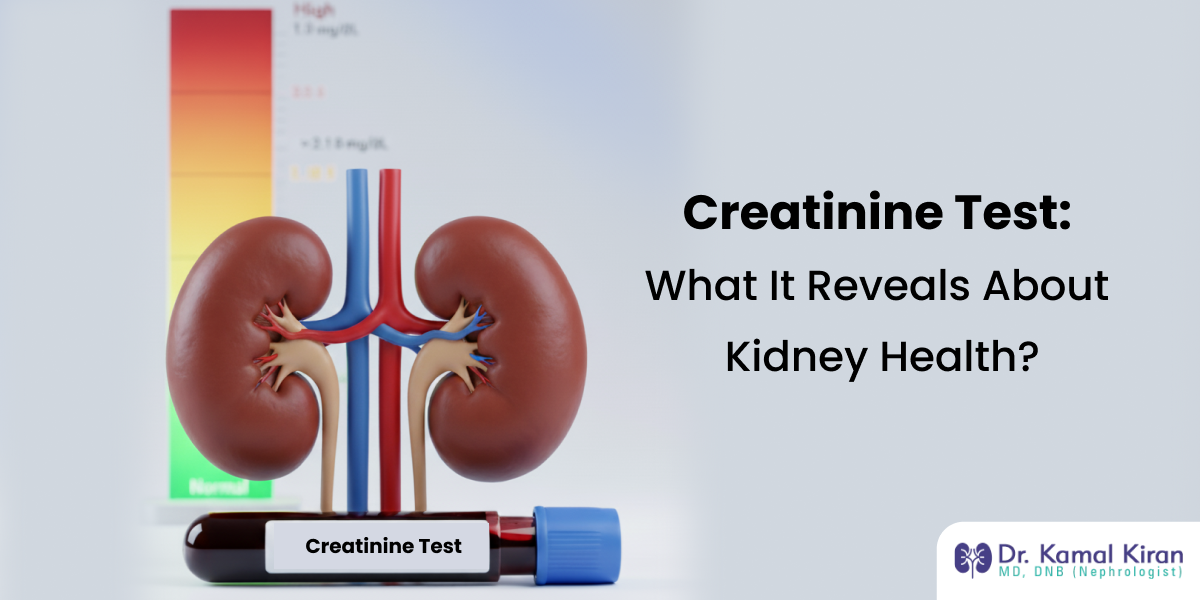
Creatinine Test What It Reveals About Kidney Health
A creatinine test measures how effectively the kidneys filter waste from the blood. Creatinine is produced naturally by muscle activity and removed through urine. When kidney function declines, creatinine levels rise in the blood, making it one of the earliest and most important indicators of kidney stress or kidney disease.
Normal Creatinine Levels
- Men: usually ≤ 1.0 mg/dL
- Women: commonly around 0.6–0.7 mg/dL
Even a small increase may reflect a significant decline in kidney function:
- 1.5 mg/dL: May indicate nearly 50% loss of kidney filtration
- 2.0 mg/dL: Can suggest severe kidney impairment
Why Creatinine Testing Is Important
Doctors use creatinine tests to:
- Detect chronic kidney disease (CKD) early
- Monitor dialysis or kidney transplant patients
- Assess kidney effects of medications
- Evaluate kidney stress from diabetes, hypertension, dehydration, or infections
Related Kidney Function Tests
- Estimated GFR (eGFR)
- Blood Urea Nitrogen (BUN)
- Urine Albumin-Creatinine Ratio (UACR)
- Kidney ultrasound
A creatinine test itself does not harm the kidneys, it acts as an early warning sign before kidney damage becomes irreversible.
Creatinine test shows how efficiently your kidneys are cleaning waste from the blood. Creatinine itself is produced by normal muscle activity and is removed through urine. When the kidneys slow down, creatinine builds up in the blood, that's the earliest sign of kidney stress.
Creatinine behaves like glucose does for diabetes or bilirubin for the liver, it's the key indicator for kidneys.
Typical reference values
- Men usually stays ≤ 1.0 mg/dL
- Women commonly around 0.6 - 0.7 mg/dL
A reading of 1.5 mg/dL can already indicate roughly a 50% reduction in filtration;
2.0 mg/dL may reflect ~30% kidney capacity remaining. (Exact interpretation depends on age, muscle mass and clinical context.)
Why Doctors Recommend Creatinine Test
Creatinine Test helps detect kidney disease early, even before symptoms such as swelling or tiredness appear.
It is used for:
- Screening in people with diabetes, hypertension, or family history of kidney disease.
- Monitoring transplant or dialysis patients.
- Evaluating medicines that might strain the kidneys.
- Tracking hydration, infections, or high-protein diets that may affect kidney load.
Creatinine Test Preparation
- Fasting is usually not necessary for a routine creatinine blood test.
- Avoid red meat and creatine supplements for 24 hours before the test if possible.
- Inform your doctor about painkillers, diuretics, or antibiotics, since these can alter results.
- Drink water normally unless advised otherwise.
How the Creatinine Test Is Done
It's quick, painless, and done through blood or sometimes urine collection.
- Blood Test: A blood sample is drawn; results arrive within hours.
- 24-hour Urine Test: Measures how much creatinine the kidneys actually clear across a full day, called the creatinine clearance test.
- Combined reporting (blood + urine) provides the most accurate picture of filtration efficiency (eGFR).
Understanding Your Creatinine Test Results
High creatinine doesn't damage kidneys, it tells us kidneys are struggling.
| Result (mg/dL) | Interpretation |
|---|---|
| 0.6 - 1.0 | Normal kidney function |
| 1.2 - 1.4 | Mild reduction - repeat test or medication review |
| 1.5 - 2.0 | Moderate kidney stress - consult a nephrologist |
| > 2.0 | Significant kidney impairment - needs detailed evaluation |
Related Tests Often Suggested
- Estimated GFR (eGFR)
- Blood Urea Nitrogen (BUN)
- Urine Albumin/Creatinine Ratio (UACR)
- Kidney Ultrasound or Scan
Remember: Creatinine doesn't harm the kidneys - it warns us before damage becomes irreversible. A small rise means a big drop in kidney performance. Check your creatinine early; keep checking it for life.
Watch this short video for a quick explanation on Creatinine and Kidney function:

 What is Creatinine? 🧪 Know Why This Test is Vital for Your Kidney Health | Dr. Kamal Kiran<

Frequently Asked Questions
1. Do I need fasting for this test?
Not required unless your doctor says so.
2. How much does it cost?
₹250 - ₹800 depending on lab and method.
3. Can dehydration increase creatinine?
Yes, temporarily. Re-hydration often normalizes it.
4. Is 1.7 mg/dL creatinine dangerous?
It can be a bit high, depending on age, sex, and muscle mass. Mild dehydration or temporary factors can cause it, but persistent elevation should be evaluated by a doctor.
5. How often should I repeat the test?
Every 3-6 months if you are diabetic or hypertensive; yearly for general health.

Dr. Kamal Kiran Mukkavilli, MBBS, MD, DNB
A highly respected expert in nephrology and renal transplantation, Dr. Kamal Kiran is known for advancing innovative treatments and delivering exceptional patient care. His practice emphasizes early intervention, precision medicine, and long-term kidney health.