What is Peritoneal Dialysis?
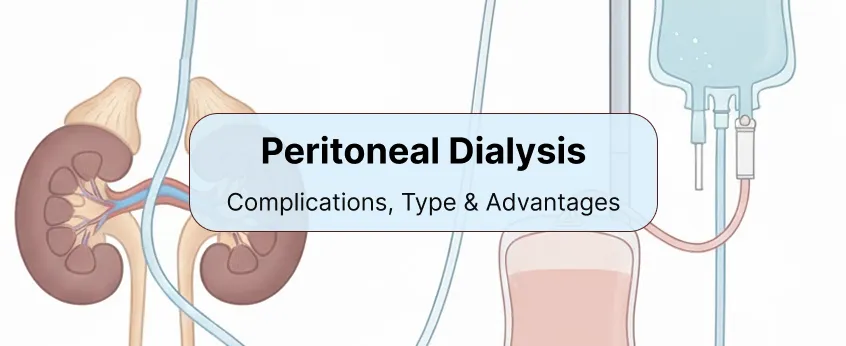
Peritoneal dialysis is a home-based kidney replacement therapy that uses the lining of the abdomen (peritoneal membrane) to remove waste products, toxins, and excess fluid from the blood. A dialysis solution (dialysate) is infused into the abdominal cavity through a catheter, where it absorbs waste before being drained and replaced.
How Peritoneal Dialysis Works
The dialysate remains in the abdomen for a set “dwell time,” allowing waste products and excess fluids to move from the blood into the fluid through the peritoneal membrane. This process, called an “exchange,” is repeated multiple times daily or overnight.
Types of Peritoneal Dialysis
- Continuous Ambulatory Peritoneal Dialysis (CAPD): Manual fluid exchanges several times a day
- Automated Peritoneal Dialysis (APD): Machine-assisted exchanges usually performed overnight
Advantages
- Can be performed at home
- Greater independence and flexibility
- Easier travel compared to in-center hemodialysis
- Continuous treatment may provide gentler fluid removal
Possible Complications
Peritoneal dialysis may lead to catheter-site infections, abdominal infections (peritonitis), fluid imbalance, or reduced dialysis effectiveness over time due to changes in the peritoneal membrane.
In peritoneal dialysis, the dialysate is infused into the peritoneal cavity through a tube and left there for a specific dwell time to absorb waste products. During this time, waste, chemicals, and excess fluids move from the blood into the dialysate across the peritoneal membrane. After the dwell time, the fluid, now containing waste products, is drained out and discarded. Each cycle of filling and draining the dialysate is known as an "exchange," and it typically occurs 3-5 times throughout the day or overnight using an automated system.
Ultrafiltration in peritoneal dialysis occurs through osmosis. The high concentration of glucose in the dialysis solution creates osmotic pressure, which draws fluid from the blood into the dialysate, resulting in more fluid being drained than initially infused. Although peritoneal dialysis is less efficient than hemodialysis on an hourly basis, the extended duration of treatment means the overall removal of waste, salt, and water is comparable to hemodialysis. Peritoneal dialysis can be performed by patients at home.
Peritoneal Dialysis Complications
Like any medical procedure, peritoneal dialysis may have associated complications, including:
- Risk of infection at the catheter site or within the abdominal cavity.
- Fluid imbalance, which may require adjustment of the dialysis solution concentration.
- Peritoneal membrane changes over time, which can reduce dialysis effectiveness.
Types of Peritoneal Dialysis
There are two primary types of peritoneal dialysis:
- Continuous Ambulatory Peritoneal Dialysis (CAPD): The fluid exchange is done manually several times a day.
- Automated Peritoneal Dialysis (APD): A machine automatically fills and drains the fluid, typically overnight while the patient sleeps.
Advantages of Peritoneal Dialysis
Peritoneal dialysis offers several benefits, including the ability to perform the procedure at home, allowing for greater flexibility. Patients are freed from the fixed schedules of in-clinic dialysis and can carry out treatment while traveling with minimal specialized equipment. While support can be helpful, it is not essential, giving patients more independence in managing their care.
Peritoneal Dialysis in India
If you're dealing with symptoms of kidney failure or need to explore dialysis options, expert care is crucial. Whether you need peritoneal dialysis, hemodialysis, or other advanced therapies, meet Dr. Kamal Kiran, who can provide specialized treatment and individualized care plans to manage your condition effectively.
One can trust Dr. Kamal Kiran's expertise for comprehensive and compassionate nephrology services. Book your appointment today!

Dr. Kamal Kiran Mukkavilli, MBBS, MD, DNB
A highly respected expert in nephrology and renal transplantation, Dr. Kamal Kiran is known for advancing innovative treatments and delivering exceptional patient care. His practice emphasizes early intervention, precision medicine, and long-term kidney health.