3 Signs of Early Kidney Disease You Should Know
The kidney often gives subtle alerts long before serious damage occurs. The earliest signs to watch for include frothy urine, swelling in the body, and unexplained fatigue or breathlessness. Identifying these early can help prevent progression to chronic kidney disease.
Frothy Urine
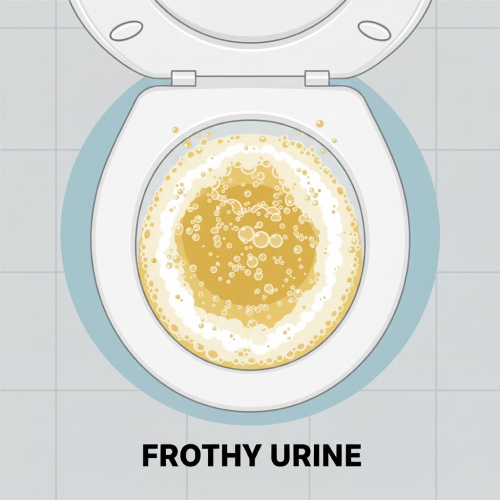
Noticing excessive froth in your urine, especially if it lingers even after flushing can indicate protein loss, also called proteinuria. Healthy kidneys normally filter waste but retain proteins in the blood. When kidney filters are damaged, essential proteins leak into the urine, producing a foam-like layer.
What it means: Persistent frothy urine could be an early sign of kidney damage.
What to do: Schedule a urine protein test or urinalysis to confirm if protein leakage is present.
Swelling in the Feet, Face, or Legs
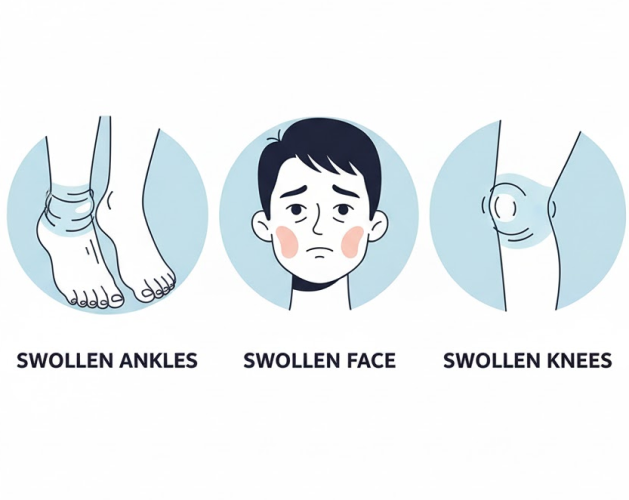
Mild swelling that starts around the ankles, knees, or face (especially in the morning) often indicates the kidneys are not efficiently removing excess sodium and water. When protein leaks through the urine, it disrupts fluid balance in tissues, leading to visible puffiness.
Why it matters: In many such cases there is an underlying kidney issue affecting protein retention and fluid regulation.
Other possible symptoms: Weight gain from water retention, tight shoes, or puffiness around the eyes.
Confirmatory test: A UPCR test (urine protein to creatinine ratio) helps confirm protein loss and the extent of kidney damage.
Fatigue and Breathlessness
Feeling tired even after a short walk, struggling to climb stairs, or experiencing breathlessness may signal anemia due to kidney problems. The kidneys produce erythropoietin (EPO), a hormone that stimulates red blood cell production. When kidney function declines, EPO levels drop, leading to fewer red blood cells and reduced oxygen delivery to tissues.
What it indicates: Low hemoglobin is often one of the earliest biochemical changes in kidney disease.
Action point: A complete blood count (CBC) and serum creatinine test can help assess if anemia has a renal cause.

Watch this short video for a quick explanation on 3 Early Signs of Kidney Disease

 🚨 3 Warning Signs of Kidney Damage You Shouldn\'t Ignore | Dr. Kamal Kiran | Kidney Expert

Frequently Asked Questions (FAQs)
Is frothy urine always a sign of kidney disease?
Not always. Temporary frothiness can appear from dehydration or forceful urination. However, persistent frothiness that doesn't go away after flushing often signals protein loss and should be evaluated.
Can swelling in the legs be due to other causes?
Yes, heart, liver, thyroid problems and some medications can also cause swelling. But if you have swelling with frothy urine or fatigue, kidney evaluation is strongly recommended.
What tests detect kidney problems early?
The key tests include serum creatinine, eGFR (estimated glomerular filtration rate), and complete urine examination.

Dr. Kamal Kiran Mukkavilli, MBBS, MD, DNB
A highly respected expert in nephrology and renal transplantation, Dr. Kamal Kiran is known for advancing innovative treatments and delivering exceptional patient care. His practice emphasizes early intervention, precision medicine, and long-term kidney health.