World Kidney Day 2026: Date, Theme & How to Protect Kidney Health
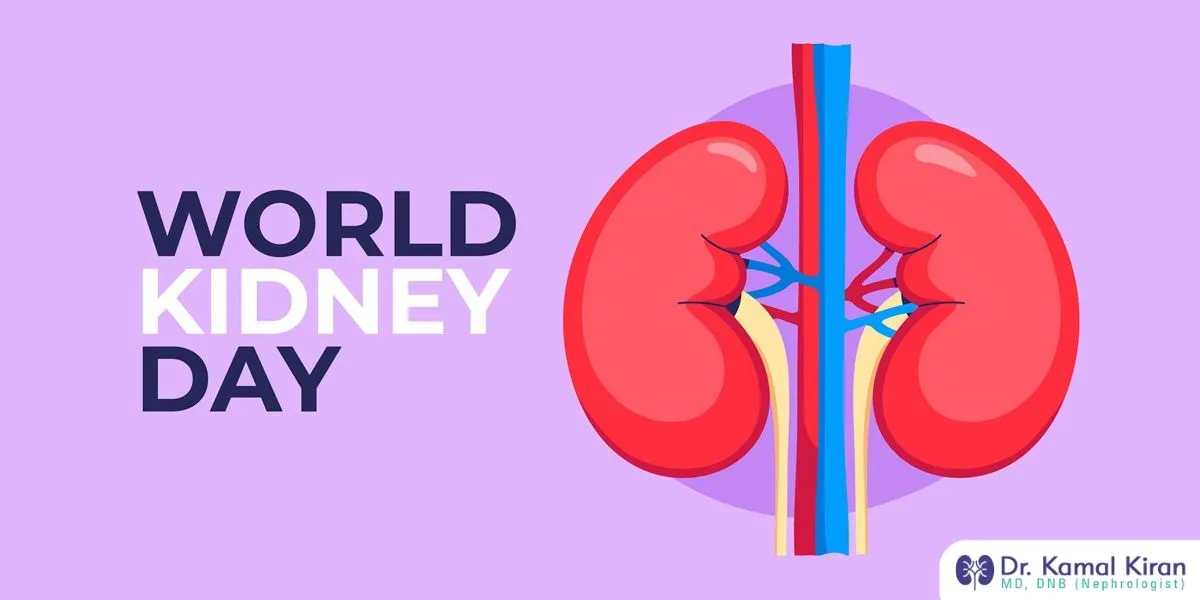
World Kidney Day is a global awareness initiative focused on educating people about kidney health, prevention of kidney diseases, and the importance of early kidney disease diagnosis.
Observed every year across the world, this kidney day campaign reminds individuals that kidneys play a vital role in maintaining overall health by filtering toxins, balancing fluids, and regulating blood pressure. Because kidney diseases often develop silently, awareness programs such as world kidney day encourage people to recognize the early symptoms of kidney failure, undergo regular health screening, and adopt habits that help protect kidney health.
When is World Kidney Day Celebrated?
World Kidney Day is observed annually on the second Thursday of March.The world kidney day date for 2026 falls on March 12, when healthcare organizations and communities across the world organize awareness activities and health campaigns.
World Kidney Day 2026 Theme: Kidney Health for All Caring for People, Protecting the Planet
The world kidney day 2026 theme is “Kidney Health for All - Caring for People, Protecting the Planet.” This theme emphasizes that kidney health is closely connected to environmental conditions, healthcare access, and preventive medical care.
Environmental factors such as rising temperatures, air pollution, and dehydration can increase stress on the kidneys and may accelerate the progression of chronic kidney disease. In regions with hot climates, prolonged heat exposure combined with inadequate hydration can increase the risk of kidney damage over time.
The theme also highlights the importance of sustainable healthcare practices. Treatments such as dialysis require large volumes of purified water and medical resources, which has encouraged healthcare systems to explore more sustainable approaches to kidney care. At the same time, the campaign focuses on improving access to early kidney disease diagnosis, screening, and treatment so that individuals everywhere can receive timely care before kidney disease progresses to advanced stages.
Why Kidney Health Matters: The Silent Nature of Kidney Disease
Kidney health is important because kidney disease often develops slowly and without obvious symptoms. In fact, chronic kidney disease is often called a silent disease because symptoms may appear only after 70-80% of kidney function has already been lost.
Globally, nearly 1 in 10 adults is affected by kidney disease. In India, conditions such as diabetes, high blood pressure, and dehydration are among the common problems in India that increase the risk of kidney damage. Awareness programs like world kidney day help encourage early screening and preventive healthcare.
Spreading Awareness: World Kidney Day Activities
Screening camps, awareness sessions, and community events are organized worldwide to promote kidney health. Schools, workplaces, and hospitals participate in initiatives such as:
- Free kidney screening camps
- Community fitness events promoting healthy lifestyles
- Distribution of world kidney day posters in hospitals and clinics
- Public awareness campaigns encouraging regular kidney health checks
These initiatives help individuals understand risk factors for kidney disease and encourage proactive healthcare decisions.
Understanding Kidney Health: Know Your Numbers
One of the best ways to assess kidney health is through simple tests:
- Creatinine Test: Evaluates how well the kidneys are filtering waste.
- eGFR (Estimated Glomerular Filtration Rate): Measures kidney function.
- Urine Test: Detects protein or blood, early indicators of kidney disease.
- Kidney Ultrasound: An imaging test that helps assess the size, shape, and structure of the kidneys, detecting abnormalities like cysts, stones, or blockages.
Knowing these numbers can help detect kidney problems early and prevent complications.
How to Protect Kidney Health Through Daily Habits
Many patients ask doctors how to protect kidney health, and the answer often involves maintaining simple but consistent lifestyle habits. Healthy routines can significantly reduce the risk of kidney disease and support overall well-being.
Important habits include:
- Staying well hydrated, with many individuals benefiting from around 3 liters of water daily depending on their health condition and climate
- Maintaining healthy blood pressure and blood sugar levels
- Eating a balanced diet with controlled salt intake
- Exercising regularly to support overall health
- Avoiding excessive use of painkillers that may harm the kidneys
These small lifestyle choices can have a significant long-term impact on kidney health.
How to Celebrate World Kidney Day
Want to make a difference? Here's how to celebrate World Kidney Day:
- Getting a kidney health screening test
- Sharing educational messages or world kidney day quotes that promote kidney awareness
- Encouraging friends and family members to adopt healthy lifestyle habits
- Participating in local health awareness events
Final Thoughts
World kidney day is more than just an awareness campaign, it is a global reminder that kidney health should be a priority for everyone. The world kidney day 2026 theme, “Kidney Health for All - Caring for People, Protecting the Planet,” highlights the importance of prevention, environmental awareness, and equal access to healthcare.
By focusing on early kidney disease diagnosis, recognizing the early symptoms of kidney failure, and adopting habits that show how to protect kidney health, individuals can significantly reduce the risk of kidney disease and support long-term well-being.
This March 12, take a moment to prioritize your kidney health and encourage others to do the same.
Frequently Asked Questions (FAQs)
What are the early signs of kidney problems?
Early signs of kidney problems may include fatigue, swelling in the legs or face, changes in urination, foamy urine, and loss of appetite. These symptoms can develop gradually, so regular health checkups help detect kidney issues early.
Can kidney disease be prevented?
Many kidney diseases can be prevented by maintaining healthy blood pressure and blood sugar levels, eating a balanced diet, staying active, and avoiding excessive use of painkillers that may affect kidney function.
Does World Kidney Day focus only on patients with kidney disease?
No. World Kidney Day focuses on raising awareness among the general public as well as people living with kidney disease. The campaign encourages prevention, early screening, and better understanding of kidney health.
How often should kidney health be screened?
Kidney health screening is usually recommended during routine health checkups. People with diabetes, high blood pressure, or a family history of kidney disease may need more frequent testing as advised by their doctor.
What is the color for kidney awareness?
Green is commonly associated with kidney health awareness. Many awareness campaigns and educational materials use green ribbons or visuals to represent kidney health and support for people with kidney disease.
What is the slogan for World Kidney Day?
Each year, World Kidney Day promotes a specific theme to highlight key kidney health issues. The 2026 theme is Kidney Health for All - Caring for People, Protecting the Planet.

Dr. Kamal Kiran Mukkavilli, MBBS, MD, DNB
A highly respected expert in nephrology and renal transplantation, Dr. Kamal Kiran is known for advancing innovative treatments and delivering exceptional patient care. His practice emphasizes early intervention, precision medicine, and long-term kidney health.