Vitamin D and Kidney Function: Understanding It's Role in Kidney Health.
Vitamin D plays a crucial role in your body, but while deficiency can worsen kidney disease, too much Vitamin D may actually increase your risk of kidney damage by causing excess calcium buildup. The key is to maintain healthy, balanced levels for overall kidney health.
Activation of Vitamin D in the Kidney
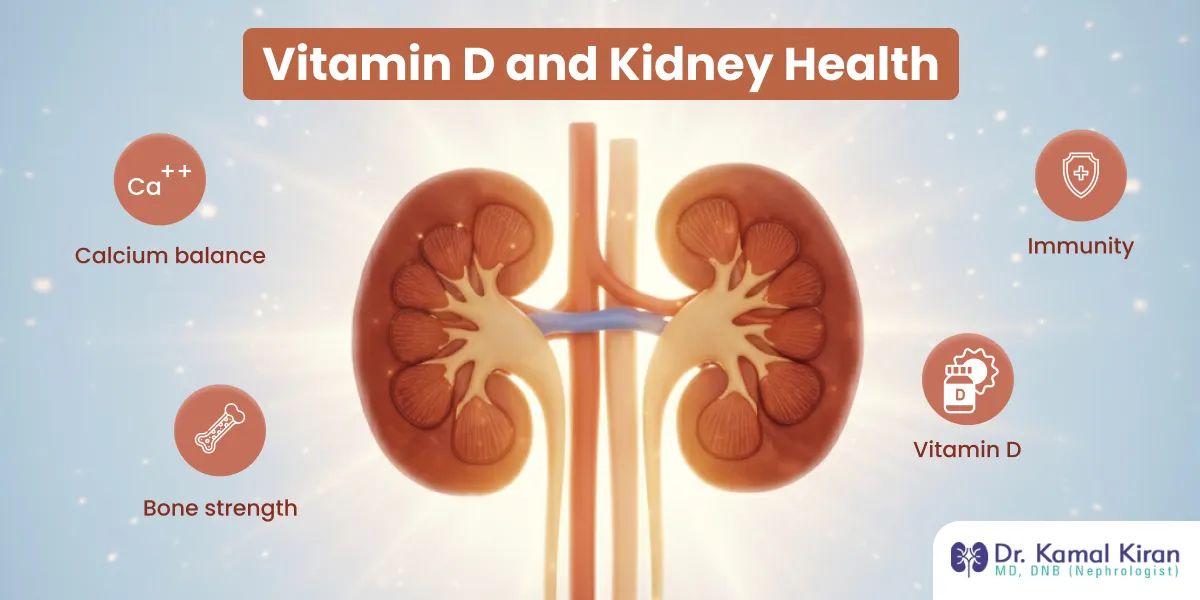
Your kidneys play a crucial role in how your body uses Vitamin D. After Vitamin D enters the body through sunlight or food, it is first converted in the liver into a storage form. The kidneys then convert this stored Vitamin D into its active form, known as calcitriol, which the body can effectively use.
Active Vitamin D helps the intestines absorb calcium, supporting strong bones, proper muscle function, and immune health. When kidney function is impaired, this conversion process is reduced, leading to lower active Vitamin D levels and increasing the risk of bone disorders and other health complications. Maintaining healthy kidney function is therefore essential for ensuring Vitamin D works effectively in the body.
Vitamin D Deficiency and Kidney Problems
Vitamin D deficiency is widespread, especially for people with chronic kidney disease (CKD) or limited sun exposure. Low Vitamin D levels may:
- Weaken bones and muscles
- Reduce immune function
- Impair calcium absorption
- Speed up progression of kidney disease
It's recommended to maintain Vitamin D levels at or above 30 ng/mL for kidneys and overall health. For people with CKD, maintaining balanced Vitamin D and kidney disease management can slow down damage and improve calcium balance.
Can Too Much Vitamin D Harm Kidneys?
Yes. Excess Vitamin D (generally above 100 ng/mL) can “rob” calcium from your bones and increase calcium levels in your blood. Chronically high calcium leads to dangerous complications including kidney stones and potentially permanent kidney damage.
Early Signs of Vitamin D-Related Kidney Problems
Watch for these signs, especially if you are taking supplements for kidney disease or other vitamins for kidney health:
- Frequent urination or abdominal pain
- Nausea or vomiting
- Muscle weakness or confusion
If you notice these, stop supplements and get your calcium and vitamin D levels checked. Balanced supplementation with the best vitamins for kidneys and liver can help, but overuse can do harm.
Watch this short video for a quick explanation on the correlation between vitamin d and kidney function:

 The relation between Vitamin D and Kidney Function Explained | Dr Kamal Kiran

Frequently Asked Questions (FAQs)
How much Vitamin D is safe for kidneys?
The amount of Vitamin D that is safe for kidneys depends on age, health status, and kidney function. For most adults, 600-800 IU daily is considered safe, but people with kidney disease should follow medical guidance to avoid overdose.
What vitamin is good for kidneys?
Vitamin D is vital, but always seek individualized advice. Some vitamins and supplements may harm susceptible kidneys, especially in high or unnecessary doses.
Will Vitamin D3 cause kidney stones?
Excessive Vitamin D3 intake can increase calcium levels in the blood, which may raise the risk of kidney stones. However, taking vitamin D3 within recommended doses does not usually cause kidney stones in healthy individuals.

Dr. Kamal Kiran Mukkavilli, MBBS, MD, DNB
A highly respected expert in nephrology and renal transplantation, Dr. Kamal Kiran is known for advancing innovative treatments and delivering exceptional patient care. His practice emphasizes early intervention, precision medicine, and long-term kidney health.